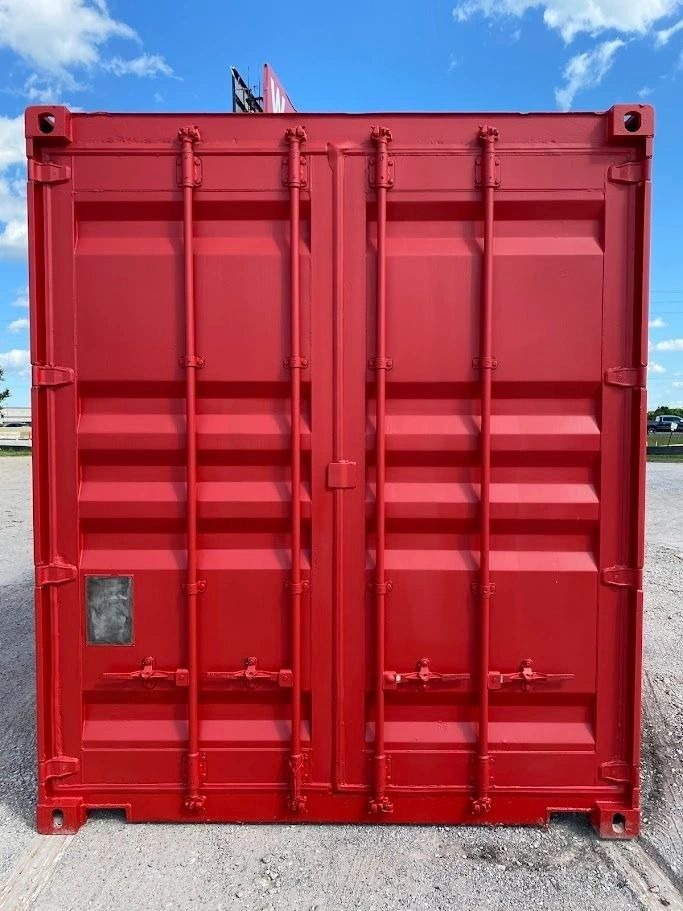
The Largest Shipping Container Sizes: A Comprehensive Guide
The shipping market plays a crucial role in international commerce, helping with the transportation of products across large distances. Throughout the years, shipping containers have actually evolved in size, style, and versatility to fulfill the growing demands of worldwide trade. 45ft Storage Container out the largest shipping container sizes-- providing insights into their specifications, applications, and the future of container shipping.
Understanding Shipping Container Sizes
Shipping containers come in different standard sizes, primarily 20-foot and 40-foot containers. Nevertheless, as trade demands have actually escalated, bigger containers have gotten prominence. This area lays out the normal container sizes and presents the largest containers currently in usage.
Requirement Container Sizes
- 20-foot Container: 20 feet long, 8 feet large, 8.5 feet high
- 40-foot Standard Container: 40 feet long, 8 feet broad, 8.5 feet high
- 40-foot High Cube Container: 40 feet long, 8 feet broad, 9.5 feet high
- 45-foot High Cube Container: 45 feet long, 8 feet broad, 9.5 feet high
Largest Shipping Container Sizes
| Container Type | Length (feet) | Width (feet) | Height (feet) | Volume (cubic meters) | Max Payload (tons) |
|---|---|---|---|---|---|
| 20-foot Standard | 20 | 8 | 8.5 | 33.2 | 30 |
| 40-foot Standard | 40 | 8 | 8.5 | 67.7 | 30 |
| 40-foot High Cube | 40 | 8 | 9.5 | 76.4 | 30 |
| 45-foot High Cube | 45 | 8 | 9.5 | 85.0 | 32 |
| 48-foot High Cube | 48 | 8 | 9.5 | 97.7 | 30 |
| 53-foot High Cube | 53 | 8.6 | 9.5 | 102.9 | 30 |
What is a 53-foot Container?
The 53-foot shipping container is presently the largest shipping container readily available on the market. It is often used for transferring goods locally within the U.S. and Canada, especially for long-haul trucking. Its increased length and volume make it ideal for bulk shipping while maintaining competitive shipping expenses.
Benefits of Larger Shipping Containers
The shift to larger shipping containers has numerous advantages:
1. Increased Capacity
Bigger containers, such as the 53-foot high cube, are capable of bring more cargo, which translates to higher effectiveness in shipping.
2. Economies of Scale
Transferring more goods in a single container minimizes shipping expenses per system, benefiting both shippers and customers.
3. Lowered Carbon Footprint
By combining items into less containers, shipping companies can reduce fuel usage and reduce general emissions.
4. Improved Cargo Protection
With larger containers, business can much better organize and secure goods, lowering the threat of damage during transit.
The Shift Towards Larger Containers
The growing trend towards bigger shipping containers is driven by numerous elements:
- Global Trade Growth: Increasing international need for products has actually pushed shipping business to make the most of container capability.
- Port Infrastructure Improvements: Many ports have invested in the infrastructure needed to accommodate larger vessels and containers.
- Technological Advancements: Innovations in logistics and container style have actually made it possible for effective handling and transportation of bigger deliveries.
Difficulties and Considerations
While bigger containers supply numerous benefits, there are obstacles to consider:
- Port Limitations: Not all ports are equipped to manage larger vessels or containers, causing possible delays and increased costs.
- Intermodal Transport Restrictions: Rail and trucking might face limitations based on the size and weight of larger containers.
- Cost of Equipment: Investment in customized devices for handling larger containers can be substantial for shipping companies.
Future Trends in Shipping Container Sizes
As shipping requirements develop, it is likely that the market will continue to see innovations in container size and design. Some possible trends consist of:
- Development of Specialty Containers: Custom containers developed for distinct cargo requirements (e.g., temperature-controlled or hazardous materials).
- Modular Container Designs: Containers that can be broadened or combined to fit differing shipment sizes.
Often Asked Questions (FAQ)
What is the largest shipping container size available?
The largest basic shipping container currently available is the 53-foot high cube container.
How much weight can a shipping container hold?
The max payload for a 53-foot high cube shipping container is generally around 30 lots, though this can differ based upon specific designs and policies.
Why are larger containers ending up being more popular?
Larger containers increase efficiency in shipping by permitting shippers to transfer more goods in fewer journeys while minimizing costs and environmental effect.
Can all ports accommodate bigger containers?
No, not all ports can deal with larger containers; port facilities differs considerably, affecting the logistics of larger deliveries.
What are the benefits of using high cube containers?
High cube containers provide extra height for storage, making it possible for more cargo capability and accommodating items that require vertical space.
As international trade continues to expand, the shipping container market must adjust to fulfill increasing need. The trend toward bigger shipping containers offers considerable advantages in effectiveness, cost savings, and environmental effect. Nevertheless, difficulties stay in regards to infrastructure and logistics. Comprehending these dynamics helps companies and consumers alike browse the progressing landscape of worldwide shipping. Whether you're a carrier, a logistics service provider, or just somebody thinking about the mechanics of international trade, remaining informed about shipping container sizes is essential for success in today's marketplace.